My Path
From an
Triggered by a “·”
To Designing from/for/with Margins
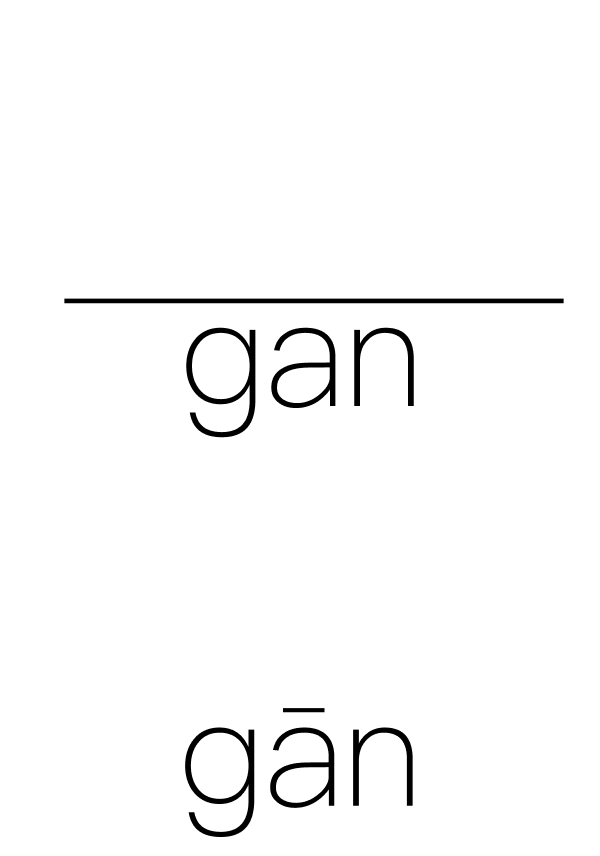
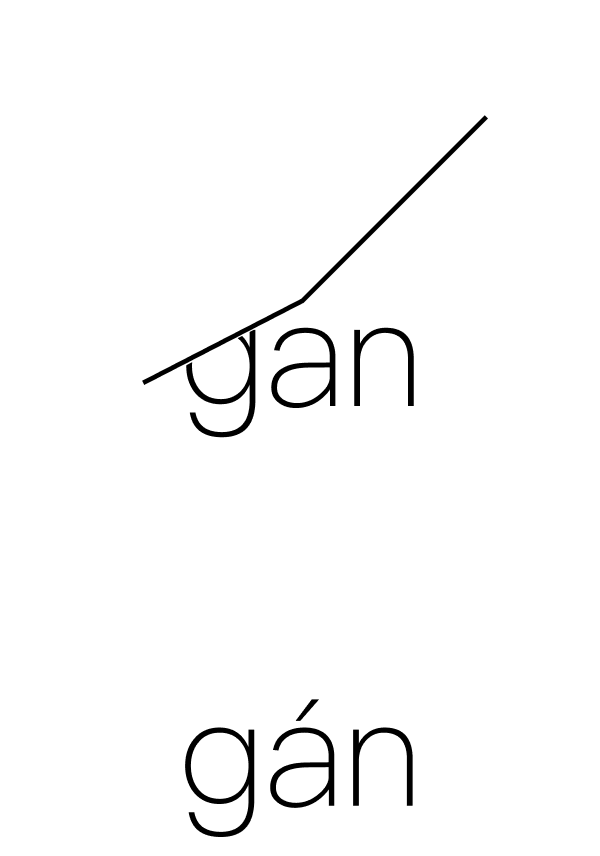
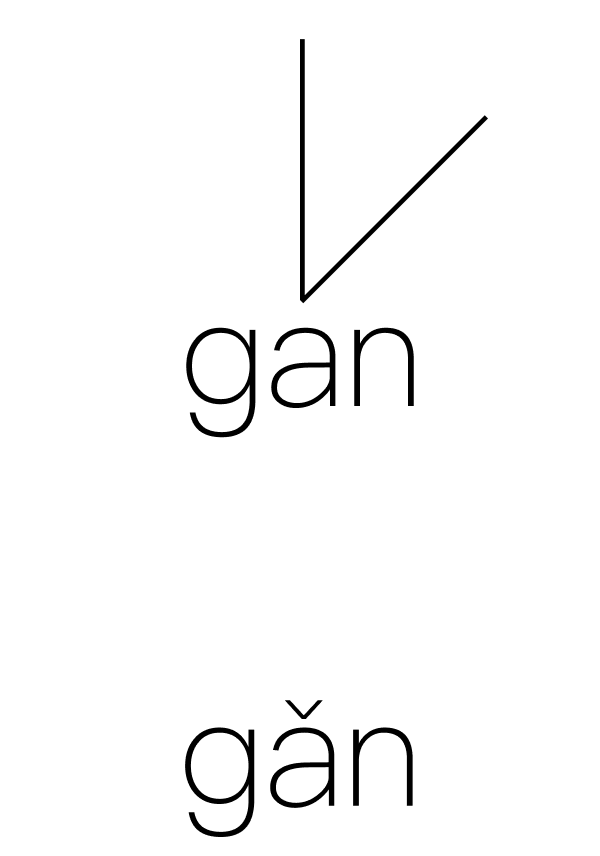
gan studio
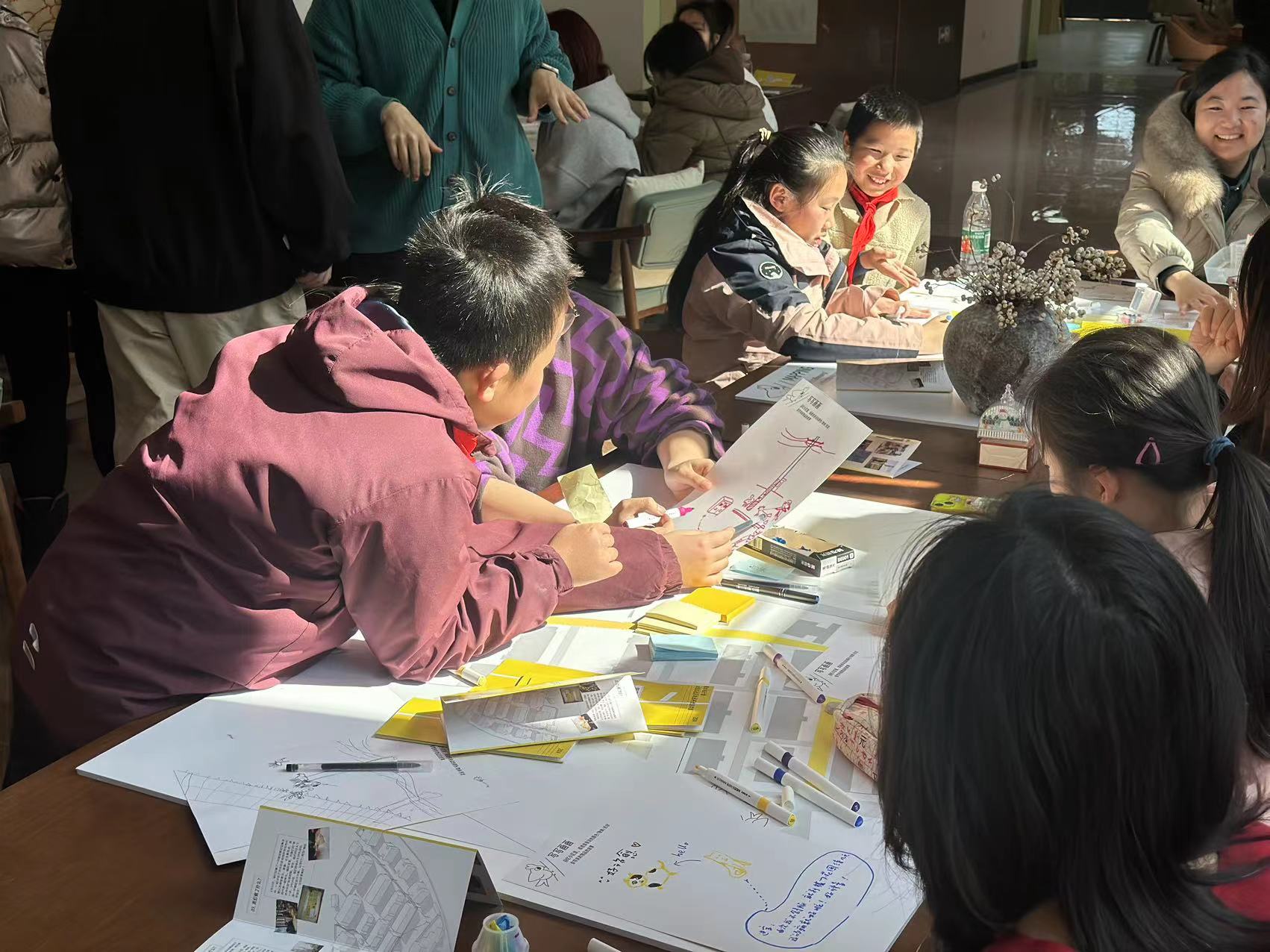
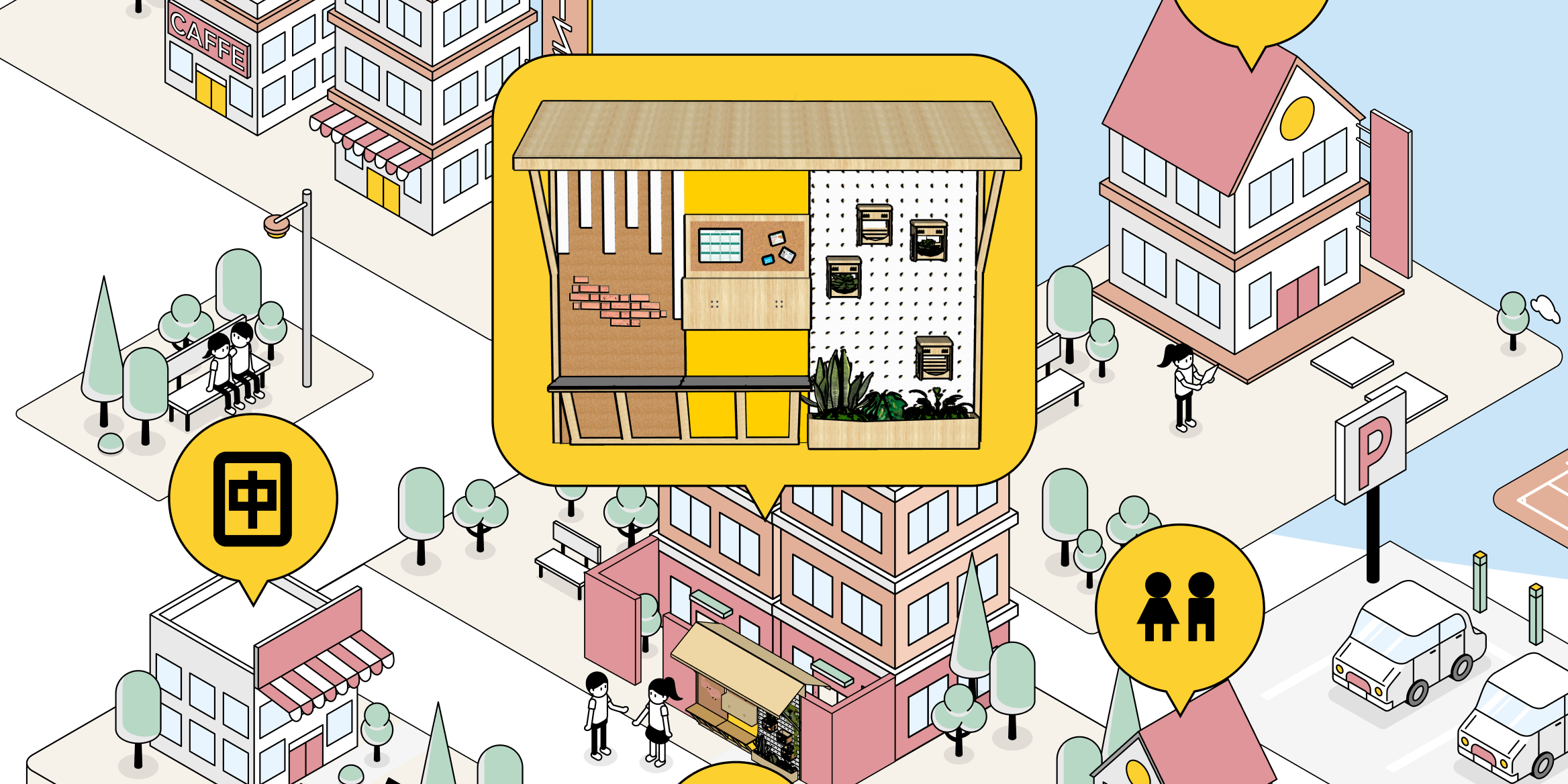
A place for both local connections and creative experiments.




My Work




Enable
Empower
Infrastructuring
Intervening
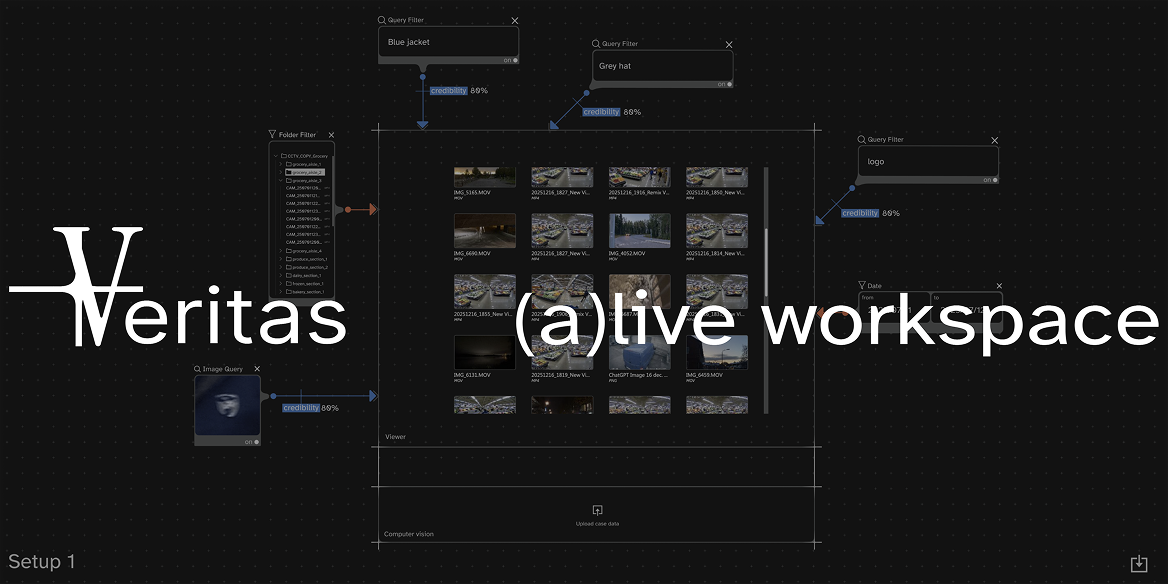
Veritas - (a)live workspace

Why this direction made sense
From
“Active Interview”
with 10 experienced agents
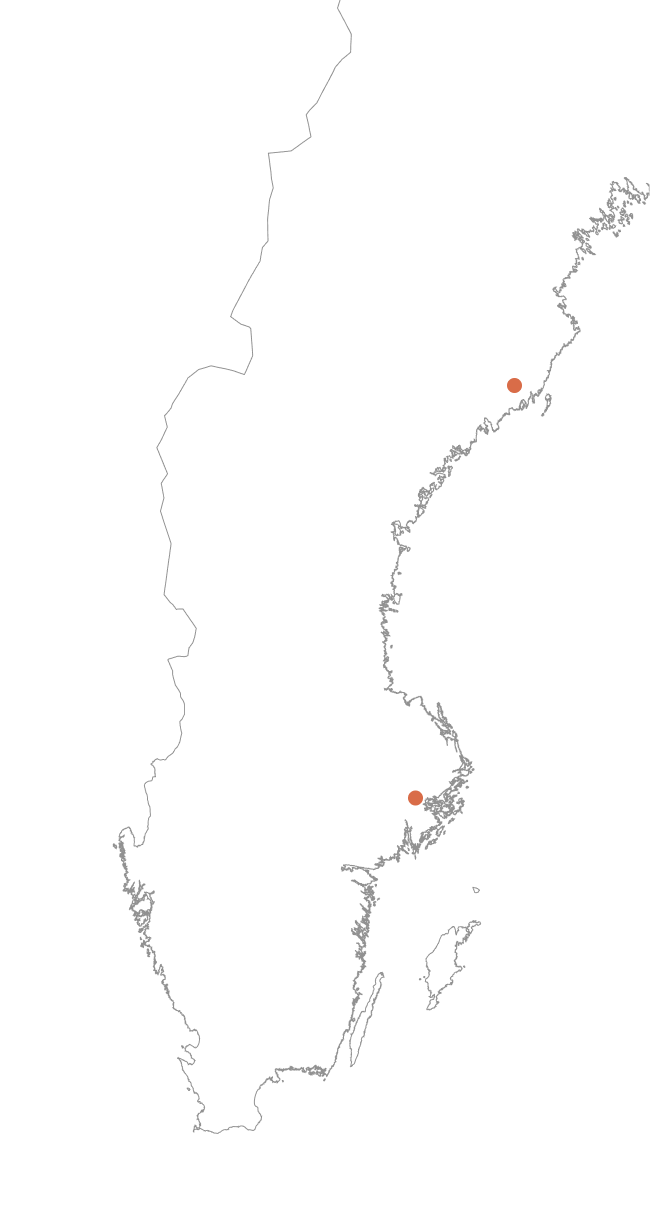
in 2 sites across Sweden
After each interview, we recorded one-shot videos with the participants, using the initial mappings as a prompt for them to walk us through and reflect on their work. We then remapped the interview material into visual mappings and initial findings for each participant. These mappings became the basis for analysing their workflows more closely, helping us identify recurring patterns, variations, and key frictions across investigative practice. To better understand how this work unfolds through body, space, and action, we also used full body mockups to reconstruct and reflect on their working processes. Based on these frictions, we developed initial concepts, which were then discussed, tested, and refined through two rounds of concept presentations with agents and Europol, ultimately shaping the design direction of Veritas.
This is 8mins video summary of what we found in Stockholm
This is what we found
Operating
Systematic
Clear criteria
Sorting
One data type
Consistent review
VS
Investigating
Exploratory
Clue-driven
Jumping between data
Case-specific
Interpretive
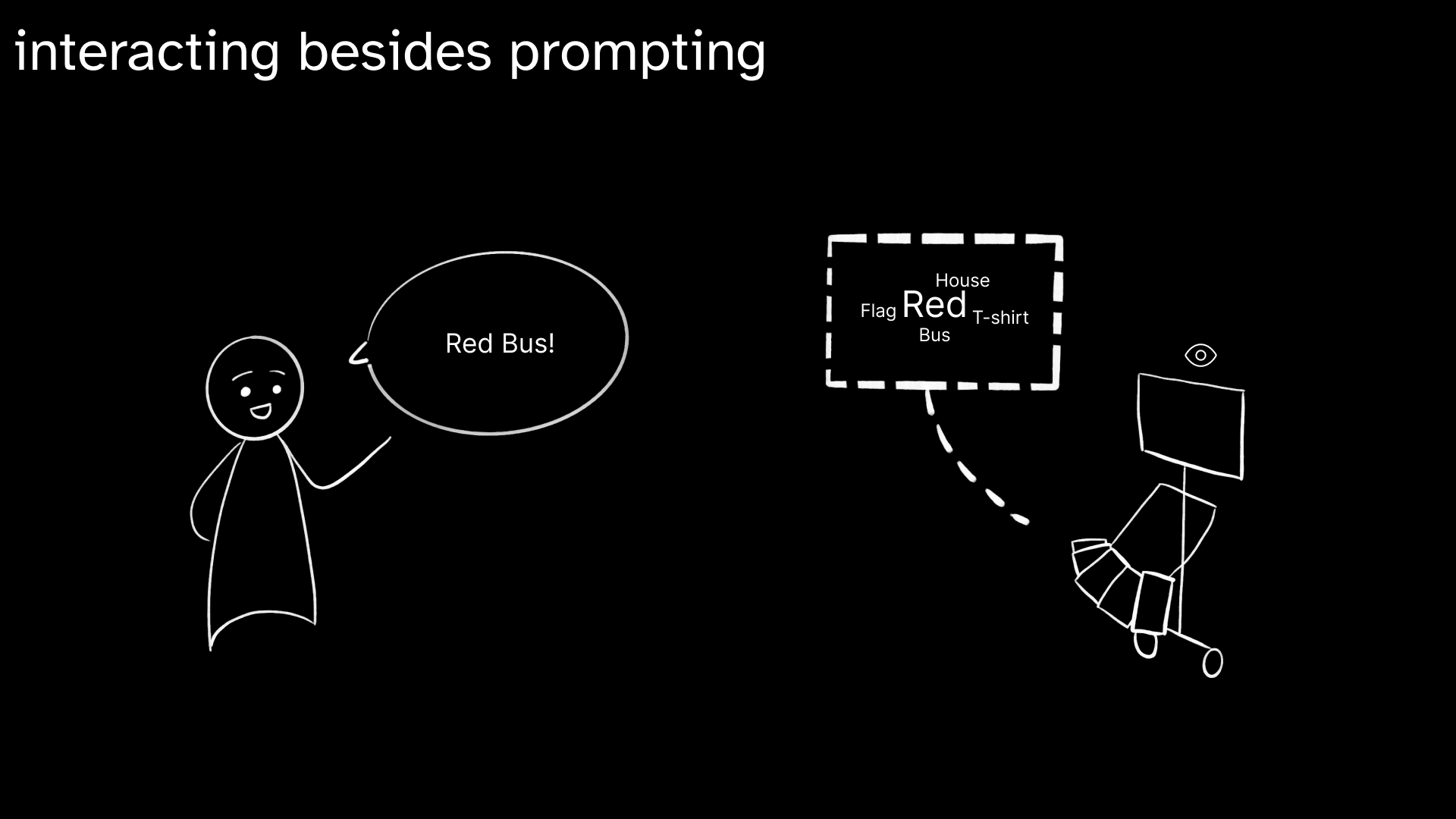
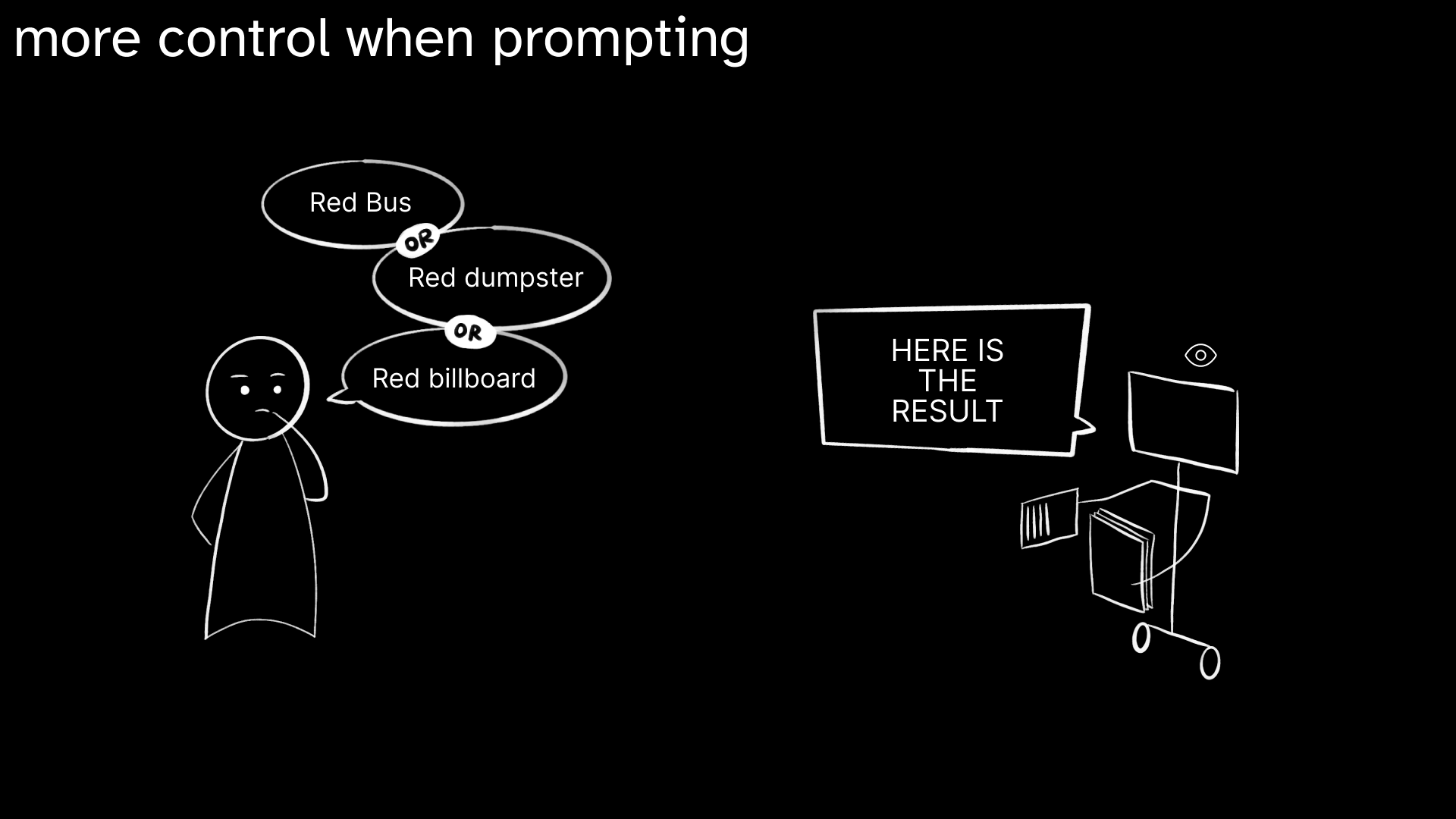
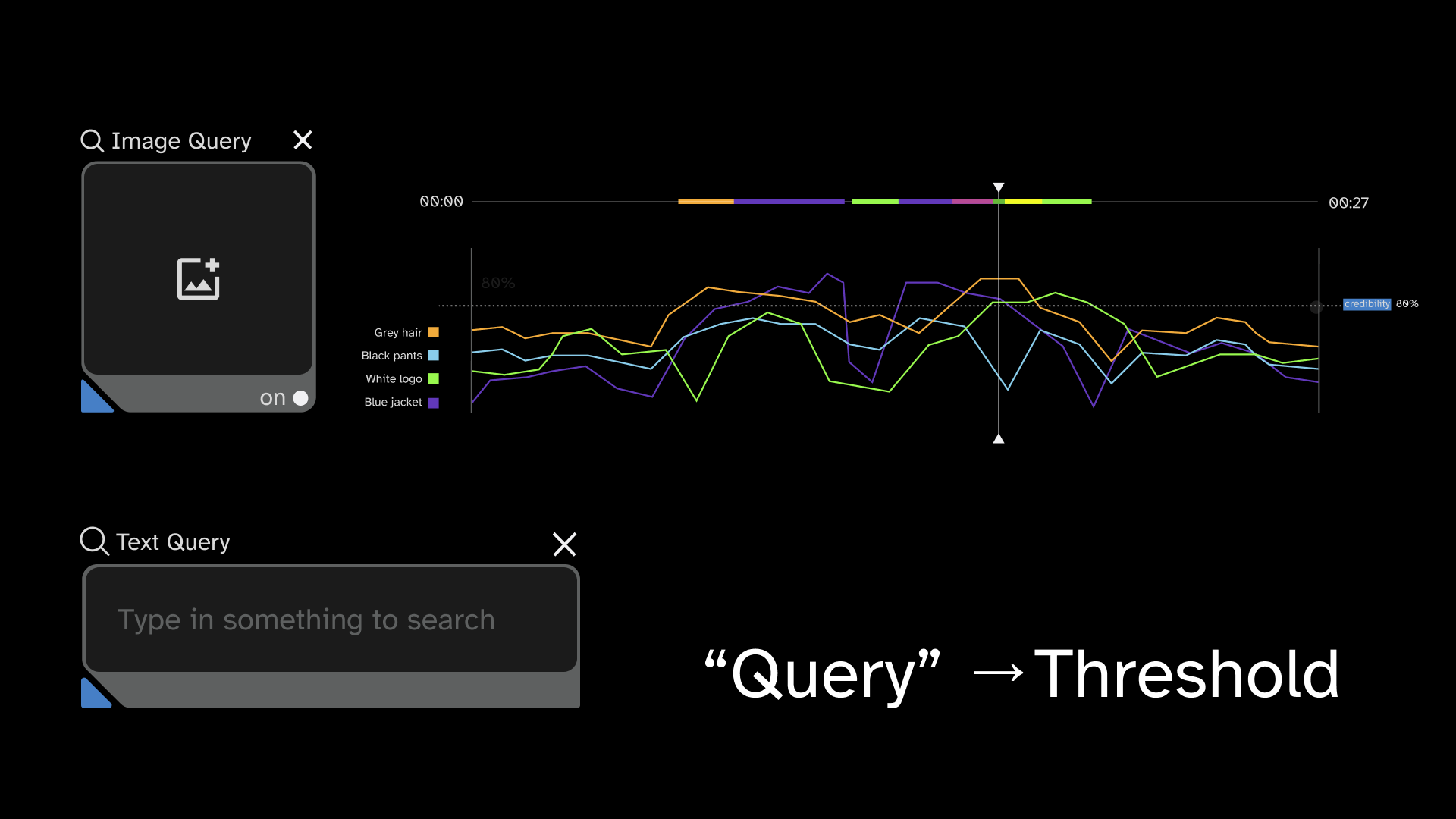
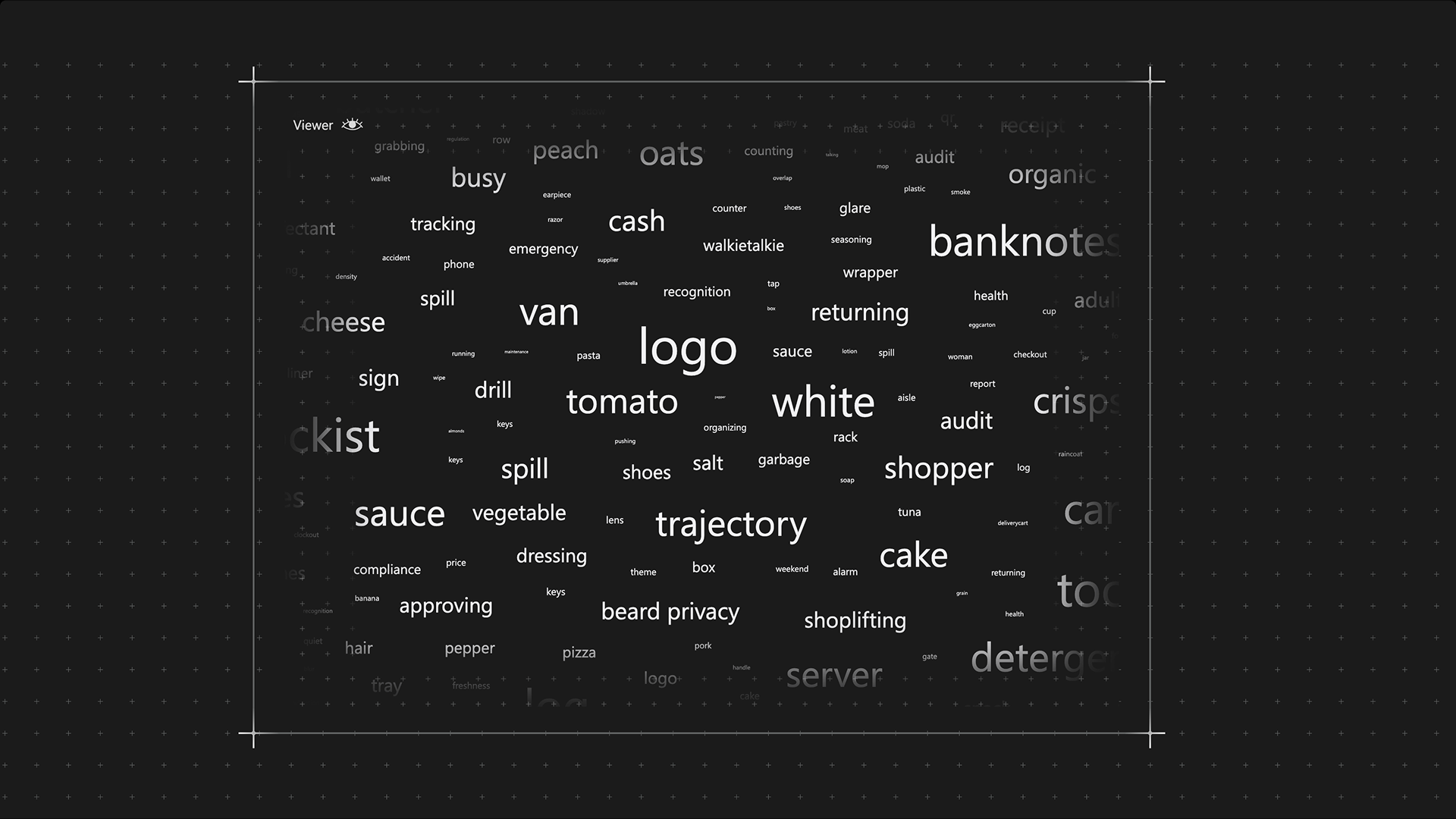
Our analysis of computer vision as a technical material showed that the technology pre-indexes video content before any later interaction takes place, bringing these machine interpretations into use from the very beginning. In other words, what agents encounter is not a system that simply “answers questions” in real time, but an analytical entity that has already organized a substantial amount of knowledge about the video. From this perspective, it made more sense to treat AI not merely as a tool, but as another analytical actor. This shifted the design focus from how investigators could better use the tool to how machine interpretation itself could be better communicated, understood, and negotiated. The word cloud therefore became a natural design expression: it not only presents the objects identified by AI, but also visualizes confidence and inter-object relationships through the size and distance of words. This was important because, in investigative work, meaningful clues are often embedded in relationships rather than in simple frequency of occurrence.
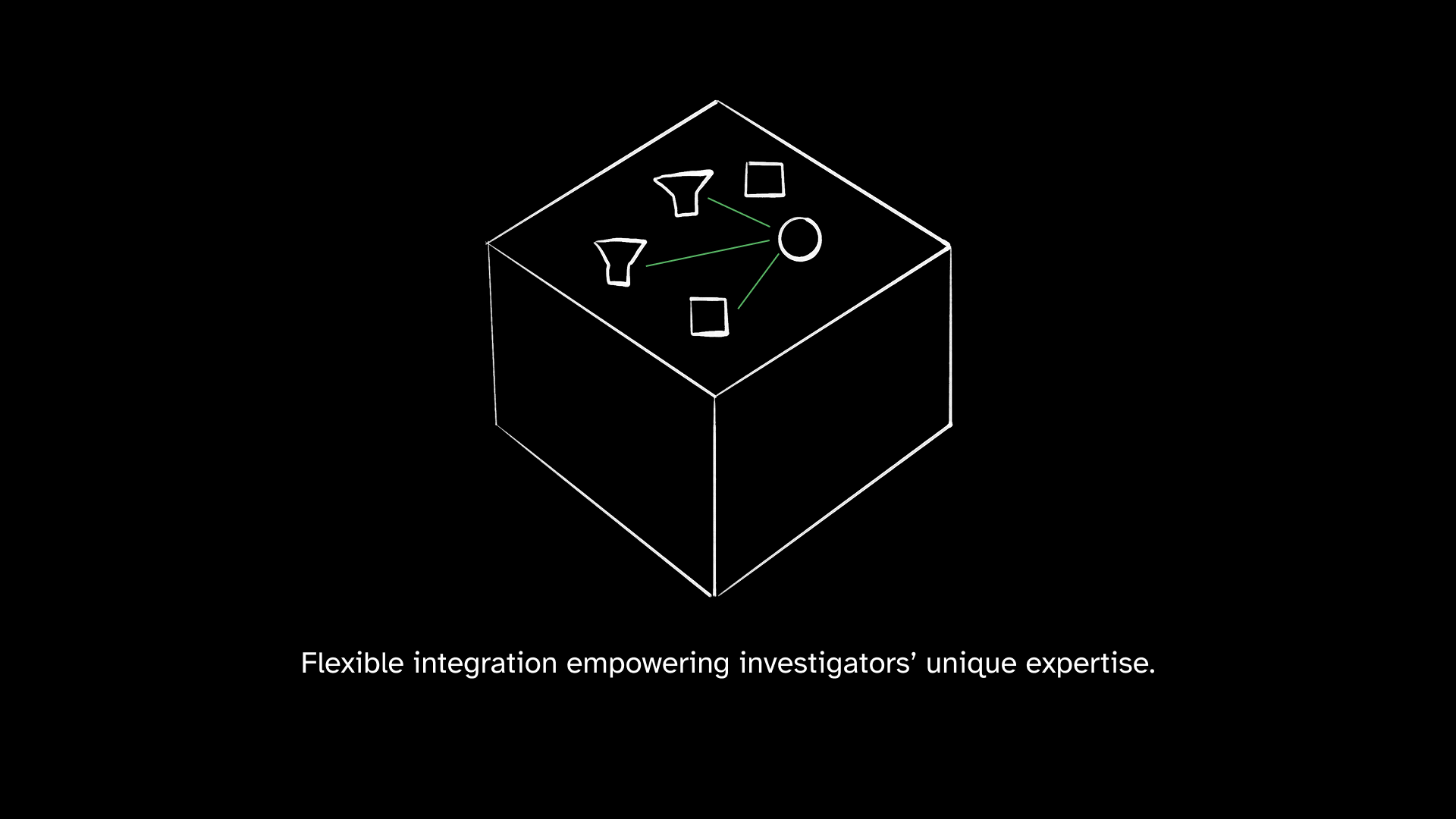
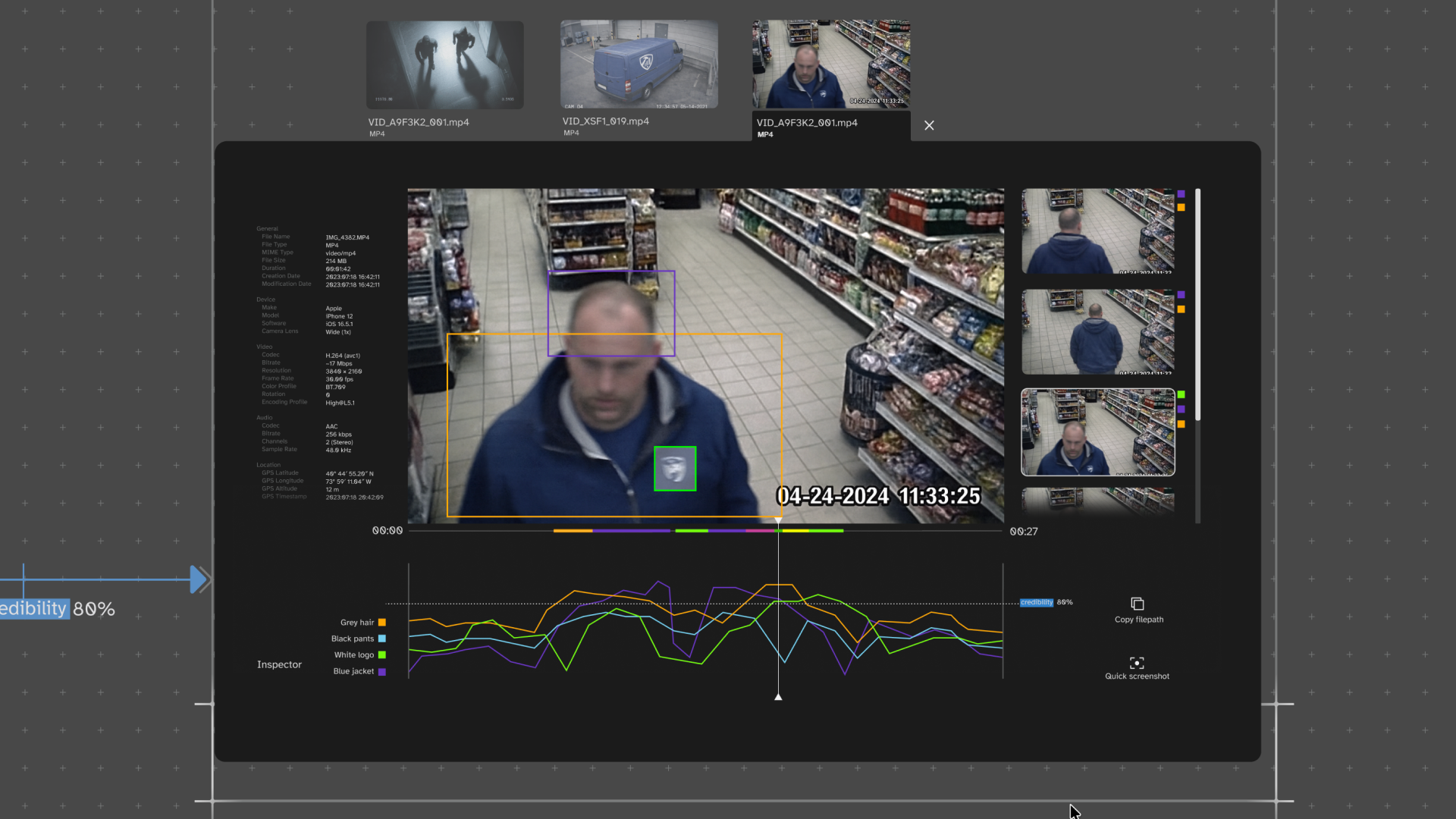
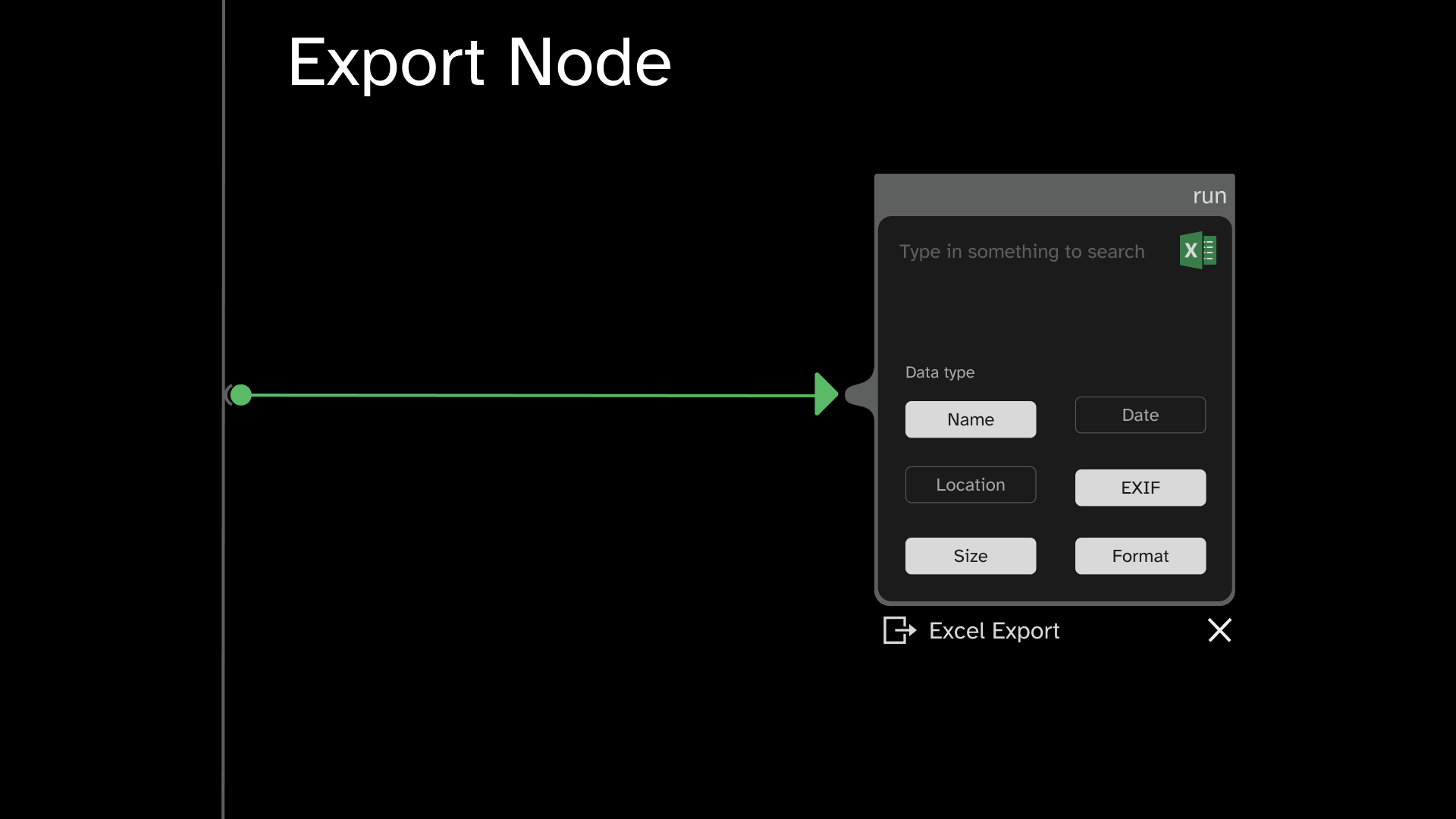
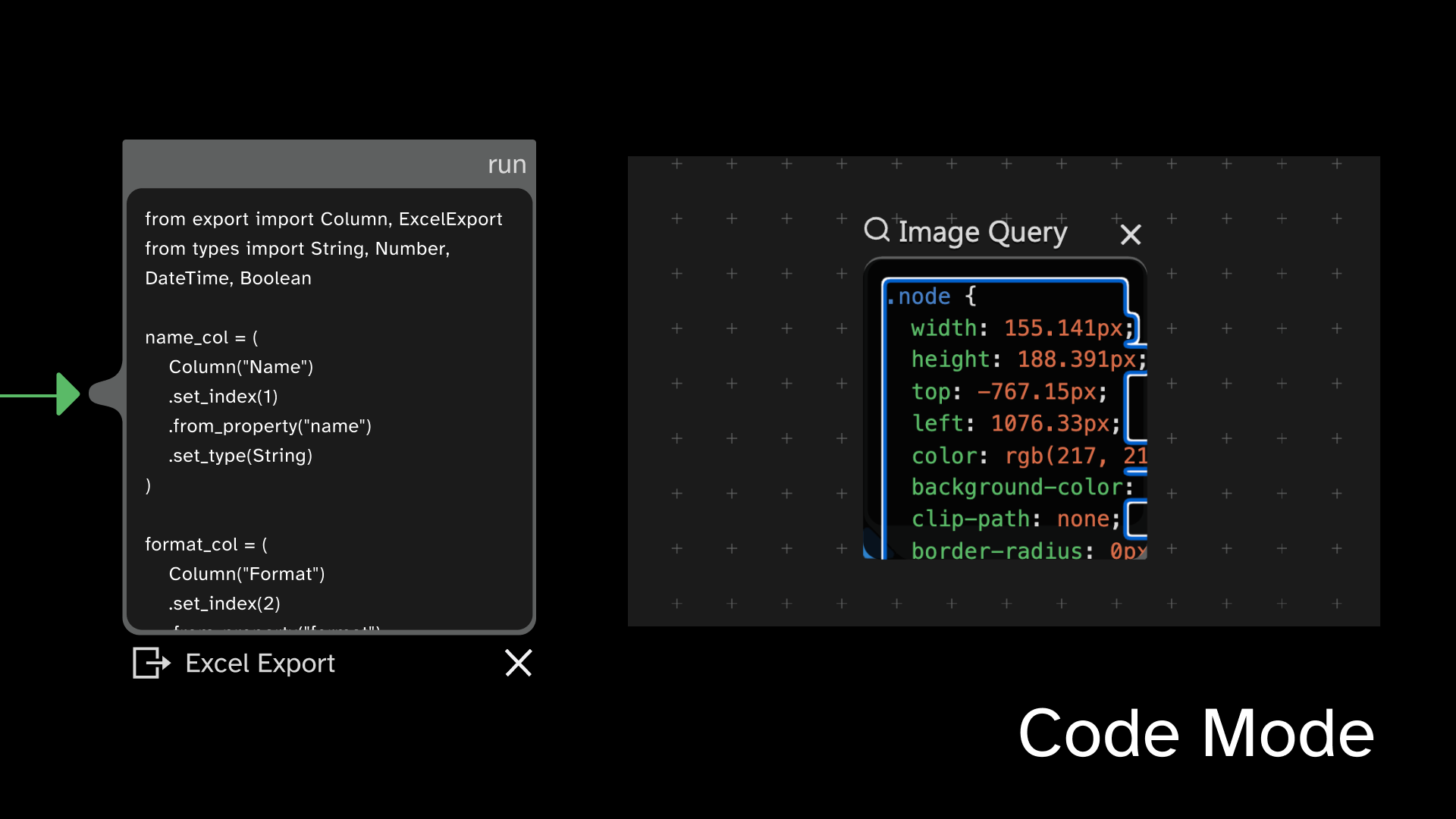
What emerged from the research was not one stable investigative workflow, but many different ways of working shaped by role, case, context, and personal expertise. Even within similar institutional settings, agents combined tools, clues, and judgement differently, suggesting that visual investigation tools are only one part of a broader investigative ecology. This pushed the concept away from a fixed interaction flow and toward flexible integration: a workspace that investigators can shape around their own expertise, rather than a system that asks everyone to work in the same way.
So Veritas is...
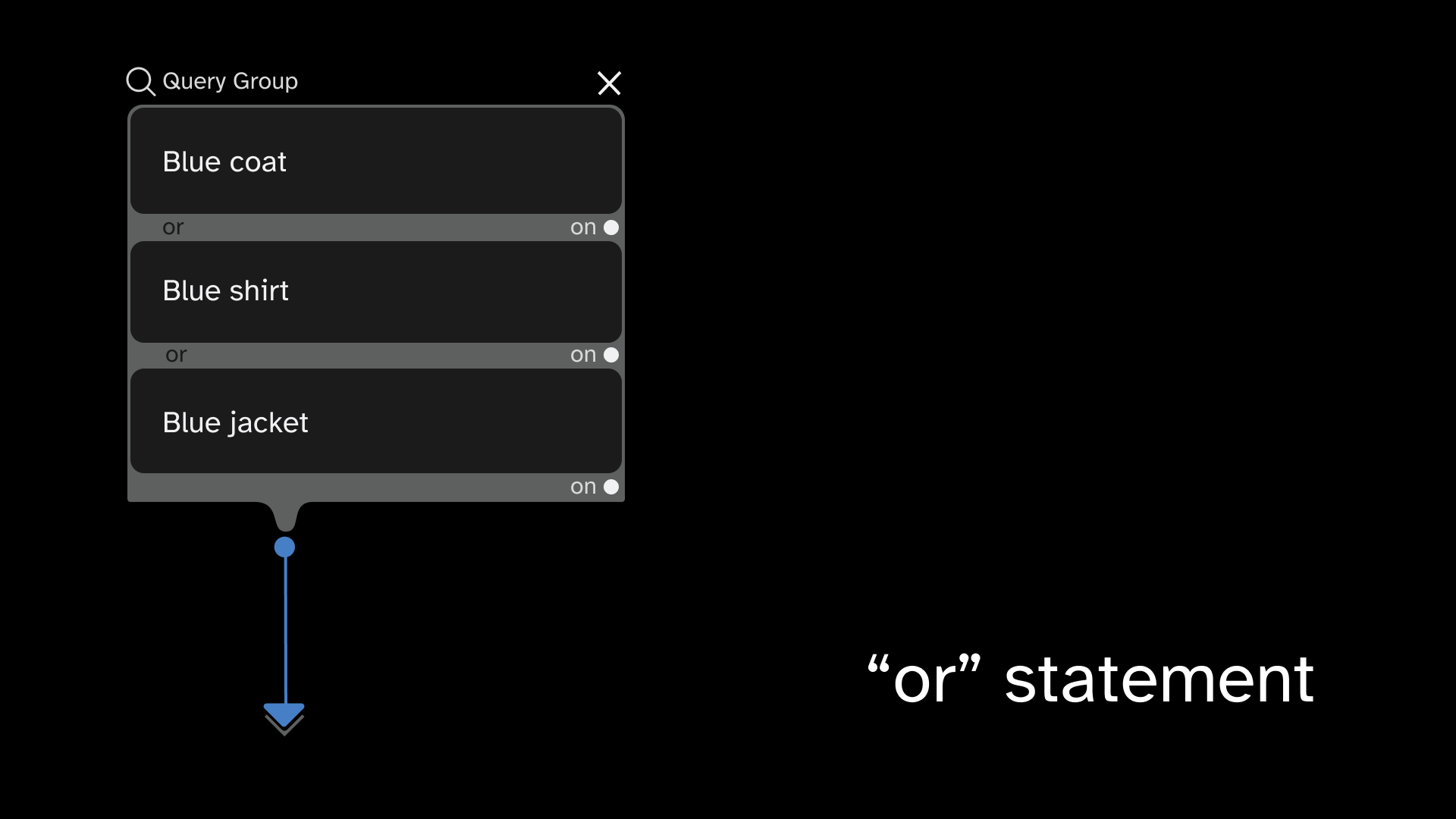
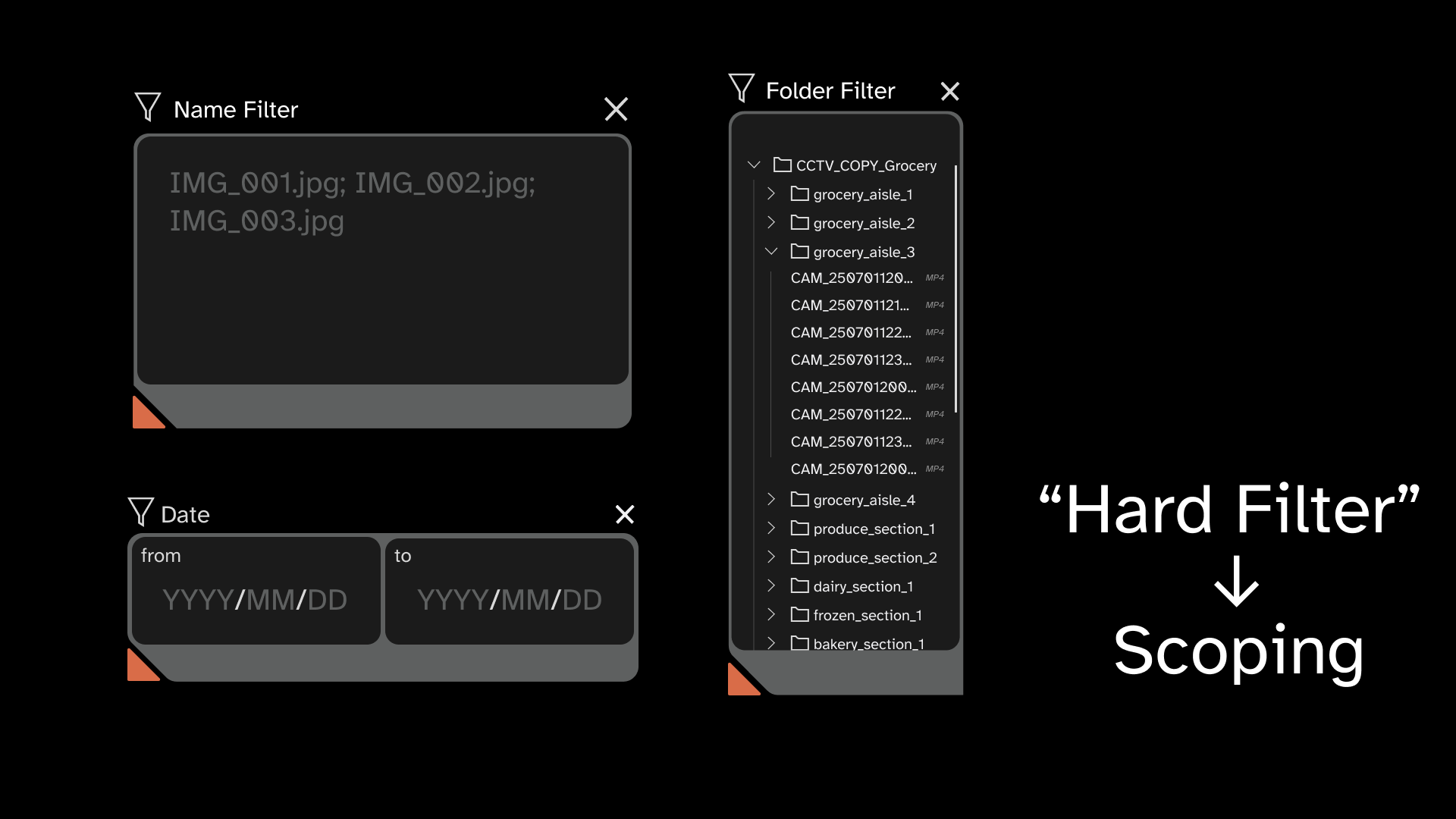
Not another AI search tool, but a visual investigation workspace that supports non-linear reasoning, mediates between human expertise and computer vision, and remains flexible to different investigative workflows.
Directly for Veritas
- Amershi et al., 2014, Power to the People
- Ehsan et al., 2022, Human-Centered Explainable AI (HCXAI)
- Pirolli and Card, 2005, The Sensemaking Process and Leverage Points for Analyst Technology
- Riedl, 2019, Human-centered artificial intelligence and machine learning
- Nowack et al., 2025, Towards User-Centred Design of AI-Assisted Decision-Making in Law Enforcement
- Verbeek, 2015, Beyond interaction: A short introduction to mediation theory
- Liu et al., 2024, Acts of interfacing in an entangled life
- Frauenberger, 2019, Entanglement HCI the next wave?
Policing and investigation context
- Cameron, 2018, The Swedish Police after the 2015 Reform
- Terpstra, 2024, Digitalization and Local Policing
- Sunde et al., 2024, Video-Based Interaction Ethology of Policing in Action
- Theinert et al., 2025, Mapping Police Officers' Anticipated Experiences and Attitudes Towards Place-Based Big Data Policing
- Europol, 2025, AI Bias in Law Enforcement: A Practical Guide
- Europol, AI and Policing
Design and theory
- Cattabriga, Crawford and Joler, 2023, A Perspective on AI and Data in Design
- Lindley and Whitham, 2025, From Prompt Engineering to Prompt Craft
- Wiltse, 2020, Relating to Things
- Redstrom, 2017, Making Design Theory
- Krajewski and Smit, 2025, RIOT 2025: Generative Things
Methods and design research
- Holstein and Gubrium, 1995, The Active Interview
- Harrison, Rhodes and Lancaster, 2025, Object-oriented interviews in qualitative longitudinal research
- Buchenau and Fulton Suri, 2000, Experience Prototyping
Existing system reference
Research Paper & Reflection of this project

(a)live workspace